
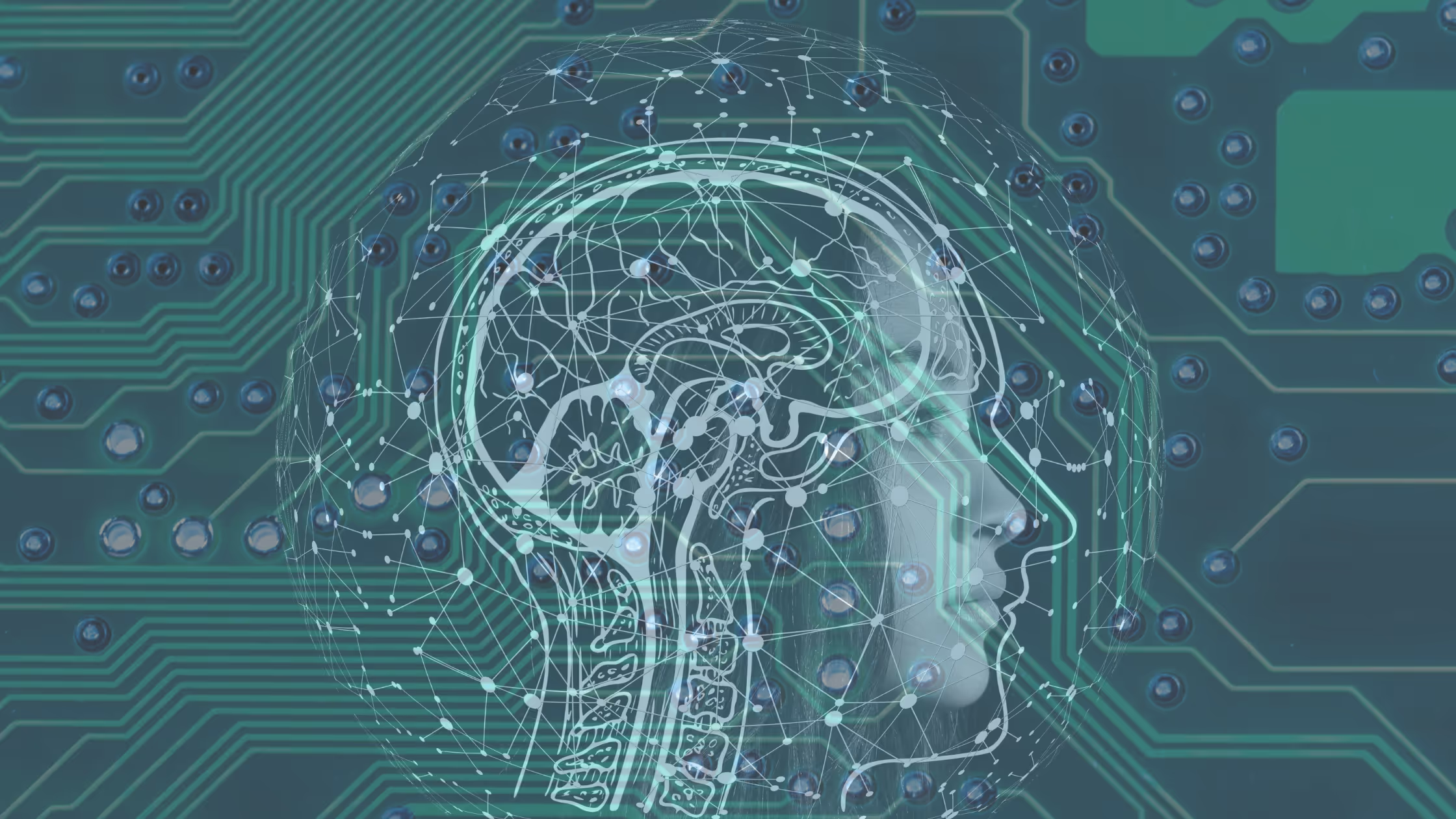
In cognitive computing, computers mimic human thought processes and are therefore able to develop their own solution strategies in real time. To do so, they use artificial intelligence techniques such as deep learning and data mining.
Concretely, this means that in cognitive computing the computer is not pre-programmed for specific problem-solving. Instead, the computer develops its own solutions independently based on large volumes of data and its experiences. The computer learns by itself—just as a human brain does.
As a result, in cognitive computing, IT systems can develop their own insights.
What are the prerequisites for cognitive computing?
First and foremost, such cognitive systems need large amounts of data on which the system can learn. Big-data techniques are used to process these data volumes.
It also requires high speed in processing and analyzing the data so the computers can interact with their environment in real time.
What is the advantage of cognitive systems?
Through cognitive computing, IT systems will be able to solve problems without human help in the future. In addition, cognitive systems can develop entirely new solutions that human brains might not have thought of.
Moreover, the solutions of intelligent computer systems are data-driven and can therefore be superior to human problem-solving.
Application examples: what are cognitive systems used for?
A well-known example of an intelligent computer system is IBM's "Watson" computer, which competed against human players on a quiz show in 2011.
But cognitive systems are also used to solve specific tasks, for example as virtual assistants or in industrial processes. Cognitive systems are often faster and more precise than humans.
Here are 5 concrete application examples for intelligent computer systems:
- Search engines use cognitive systems to display the most relevant results for queries, for example.
- Online retailers use intelligent computer systems to select fitting product recommendations.
- In autonomous vehicles, cognitive systems are used so vehicles make the right decisions when certain events occur.
- In medicine, cognitive systems could be used to evaluate imaging results to diagnose diseases and reduce the error rate in diagnoses.
- In industry, intelligent computer systems can be used for predictive maintenance—maintaining machines on a needs basis rather than on a fixed schedule. This avoids larger costs from damage or unnecessary maintenance.
The application potential for cognitive systems is very broad.

Cognitive computing and other trends at a glance in our Megatrend Map
Cognitive computing is one of 120 Macro Trends in our current Trend Universe, which is grouped into 17 Megatrends. With our free Megatrend Map, you get an overview of our entire Trend Universe, including explanations and our analysts' assessments of mainstream adoption.